
Brass vs Aluminum Burners: Durability, Maintenance & Longevity
Choosing the right material for your gas stove burner is a key factor that determines its lifespan, maintenance needs, and long-term value. In the kitchen appliance market, the choice often comes down to two popular materials: brass and aluminum.
While aluminum burners offer a budget-friendly option, brass burners are overwhelmingly superior in terms of durability and maintenance, making them the preferred, high-efficiency choice for heavy and regular use.
Here is a detailed comparison of brass versus aluminum gas burners across key metrics:
1. Durability and Resistance to Heat
The longevity of a burner is directly related to its ability to resist the intense heat and daily wear-and-tear of cooking.
Brass Burners: Built for Endurance
Brass, an alloy of copper and zinc, is significantly denser and harder than aluminum. This robust construction provides superior durability:
- Resistance to Warping: Brass has a higher melting point (around 1650∘F−1700∘F), making it highly resistant to warping or deforming under prolonged, intense heat. This means the critical shape of the flame ports remains consistent, preserving the burner’s thermal efficiency over years.
- Corrosion Resistance: Brass naturally resists rust and corrosion, even when exposed to moisture, spilled acidic foods (like vinegar or lemon juice), and common household cleaning agents.
- Heavy Use Ready: Brass easily withstands the weight of heavy cookware and the frequent placement and removal of pots, making it the ideal choice for demanding kitchens.
Aluminum Burners: Prone to Deformation
Aluminum burners are lighter and more cost-effective but sacrifice structural integrity over time:
- Susceptibility to Warping: Aluminum is a softer metal with a lower melting point (∼1220∘F). Prolonged exposure to high flames can cause the burner cap or base to warp or deform.
- Efficiency Loss: Even minor deformation can throw off the critical gas-air mixture, leading to inefficient, yellow flames and increasing LPG consumption.
- Corrosion Vulnerability: Aluminum is more vulnerable to corrosion and oxidation, which can be accelerated by moisture or highly acidic spills. This corrosive wear shortens the burner’s useful life.
2. Heat Properties and Cooking Performance
The material also impacts how quickly the burner heats up and how it transfers that energy to the cooking vessel.
| Feature | Brass Burner | Aluminum Burner |
| Heating Speed | Slower to heat initially, but retains heat longer. | Heats up very quickly, cools quickly. |
| Heat Distribution | Excellent—ensures even heat dispersal across the cooking base. | Quick initial heat, but less effective at retaining and evenly distributing heat. |
| Long-Term Efficiency | Sustained high efficiency due to structural stability. | Efficiency drops over time due to deformation and wear. |
Export to Sheets
For cooking styles that require sustained, even, and consistent heat (common in Indian cooking), the heat-retention properties and stability of brass burners are a distinct advantage.
3. Maintenance and Longevity
The material determines how much effort is required to keep the burner clean and functioning at its peak.
Maintenance of Brass Burners
While brass requires regular cleaning to prevent the build-up of grime that can clog the flame ports, its inherent material strength simplifies long-term maintenance:
- Cleaning: Can be easily scrubbed with standard cleaning solutions without fear of warping.
- Tarnishing: Brass may develop a natural, dark patina (tarnishing) over time, which is purely aesthetic and does not affect performance. It can be polished back to shine if desired.
- Lifespan: With proper care, a high-quality brass burner can last for 10-15 years or more, making the higher initial cost a worthwhile long-term investment.
Maintenance of Aluminum Burners
Aluminum’s softness makes it require more delicate handling, despite its lightweight nature:
- Cleaning: While lightweight and easy to handle, scrubbing too vigorously can scratch the surface, potentially accelerating corrosion.
- Residue: Due to its quicker heating/cooling cycle, food residue can sometimes adhere more stubbornly.
- Replacement Frequency: Aluminum burners will likely require replacement sooner, often due to significant visible wear, pitting from corrosion, or noticeable changes in flame quality (due to warping).
Brass vs. Aluminum Gas Burner FAQs (Durability & Maintenance)
These FAQs thoroughly address consumer concerns about longevity and upkeep, and brass burner durability, aluminum burner warping, thermal efficiency, and burner corrosion resistance.
1. Which type of gas burner is more durable: brass or aluminum?
Brass burners are significantly more durable. They are denser and harder, offering high resistance to mechanical damage and the intense heat of cooking. Aluminum is a softer metal, making it more prone to:
- Warping under high or prolonged heat.
- Corrosion and wear from acidic spills and moisture.
- Reduced lifespan in kitchens with frequent or heavy usage.
2. How does burner material affect thermal efficiency over time?
The material’s durability is crucial for maintaining thermal efficiency.
- Brass: Because it resists warping, the critical shape of the burner cup and the alignment of the flame ports remain consistent for years. This ensures the gas/air mixture is always optimized, sustaining high efficiency.
- Aluminum: When aluminum warps or corrodes, the flame pattern is disrupted. This leads to a less-efficient, often yellow flame that wastes gas and lowers the burner’s long-term efficiency.
3. Are aluminum burners more prone to warping than brass burners?
Yes. Aluminum has a lower melting point (around 1220∘F) compared to brass (around 1650∘F). Aluminum burners are more susceptible to deformation and warping from prolonged exposure to the high temperatures generated during cooking, especially under heavy, thick-bottomed cookware.
4. Do brass burners require less maintenance than aluminum burners?
In terms of functional maintenance and replacement, yes, brass requires less.
- Brass: Highly corrosion-resistant. It requires only regular cleaning to prevent port blockage; the material itself will not rust or pit from general use, ensuring a longer functional life and less frequent replacement.
- Aluminum: Needs more careful, consistent cleaning to prevent corrosion from spills, which can pit the surface and permanently reduce performance. They also need replacement more frequently.
5. Is the tarnishing (darkening) of brass burners a sign of reduced performance?
No, the darkening or developing a patina on a brass burner is purely aesthetic and does not affect performance. Tarnishing is a natural oxidation process. As long as the flame ports are kept clean and open, the burner will retain its original high thermal efficiency and cooking speed.
6. Why do professional chefs or premium appliance manufacturers prefer brass burners?
Premium brands and professionals choose brass due to its:
- Structural Stability: Guarantees that the intended flame pattern and efficiency (e.g., in a high-efficiency SABAF burner) are maintained over many years.
- Heat Retention: Brass is better at retaining heat, contributing to a more even and consistent cooking temperature, which is essential for professional results.
7. Which burner material is the better long-term value for a busy kitchen?
Brass burners are the superior long-term investment. Although they have a higher initial cost, their lifespan is significantly longer (often 10+ years), and their sustained high thermal efficiency translates into lower gas consumption over the life of the appliance, ultimately providing the best value.
Conclusion: The Long-Term Value of Brass
When comparing durability and maintenance, the choice is clear: Brass burners are the superior long-term investment.
While aluminum burners serve well for low-frequency or budget-conscious cooks, brass is essential for heavy or regular use. Its high resistance to heat and corrosion ensures stable performance, maintains thermal efficiency, and guarantees a significantly longer lifespan, providing the best value and fewest headaches over the years.
Gas Stoves: Today’s Top Deals

Prestige IRIS Toughened Glass-Top 3 Brass Burner LPG Gas Stove | Black Spill Proof Design | Ergonomic Knob | Tri-Pin Burners |Open

Khaitan 3 Burner Selios Black Manual Gas Stove Toughened Glass, Alloy Premium Burners, ISI Marked with 1 Year Warranty

LIBERHAUS 8-Piece Set Gas Stove Burner Replacement, 4 Caps & 4 Spreaders

Thermador Gas Stove 2 Burners |Gas Saving Tornado Burner | ISI Certified Gas Chulha for Home Cooking | Glass Cooktop | 6mm Toughened Glass | Anti…

BLOWHOT Premium Quartz Gas Stove 4 Burners Auto-Ignition,8mm Thick Glass Cooktop – SABAF Tech. | Warranty -2 Yr General, 5Yr Burner, 5Yr Glass and…

CELLO Regal Premium 4 Burner Gas Stove with Brass Burners | Toughened Black Glass Gas Cooktop | ISI Certified LPG Gas Stove | Heavy Duty Pan…
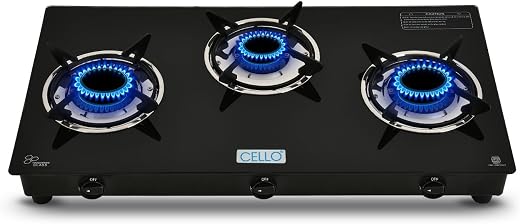
CELLO Regal Premium 3 Burner Gas Stove with Brass Burners | Toughened Black Glass Gas Cooktop | ISI Certified LPG Gas Stove | Heavy Duty Pan…

BLOWHOT Majesty 3 Burner Manual-Ignition Gas Stove – 72cm, 6mm Toughened Glass Top | Brass Burner, SS Drip Tray – Warr: 2 Yr General, 2Yr On…

BLOWHOT Majesty 3 Burner Auto-Ignition Gas Stove – 72cm, 6mm Toughened Glass Top | Brass Burner, SS Drip Tray – Warr: 2 Yr General, 2Yr On Burner,…

CELLO Gas Stove Granito 2 Burner Black Manual Ignition LPG Toughened Glass Top Gas Stove, (ISI Certified)

CELLO Gas Stove Granito 3 Burner Black Manual Ignition LPG Toughened Glass Top Gas Stove, (ISI Certified)

CELLO Granito 4 Burner Gas Stove with Brass Burners | Manual Ignition Toughened Glass Top LPG Gas Cooktop | ISI Certified | Heavy Duty Pan Supports…

Thermador Orchid Black Gas Stove (2 Burner) | Toughened Glass Top | Manual Ignition | Spill-Proof Design | Heavy Duty Pan Support | ISI Certified

Thermador Orchid Black Gas Stove (6 Burner) | Toughened Glass Top | Manual Ignition | Spill-Proof Design | Heavy Duty Pan Support | ISI Certified

Khaitan 4 Burner Draw Double Decker Pro Stainless Steel Manual Gas Stove, Silver with Hindflame LPG Gas Pipe/Hose 1.5 mtr and Lighter Combo, ISI…

Haute Evoque series 4.0 Black 3 Burner Manual Stove | 8 MM Atom Glass | ISI certified |Door Step Service |10 Year Warranty by Haute Home
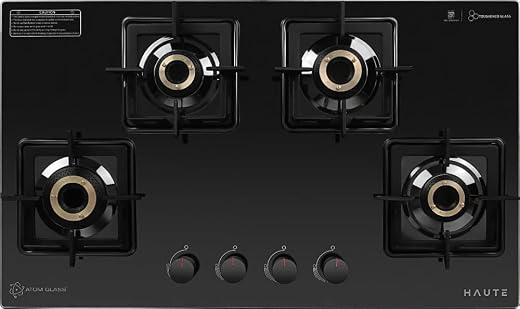
Haute Evoque series 4.0 Black 4 Burner Manual Stove | 8 MM Atom Glass | ISI certified |Door Step Service |10 Year Warranty by Haute Home

BLOWHOT Jasper Gas Stove 4 Burner Manual-Ignition, 6mm Glass Cooktop,Steel Frame DOORSTEP SERVICE+ Warr: 2Yr on Glass, Burner & Valve, 2Yr General…

Sujata Majestic Gas Stove 3 Burners Steel | 9 Years Warranty | Stove 3 Burner, Steel Gas Stove, Manual Ignition, SABAF, ISI Certified, LPG & PNG…
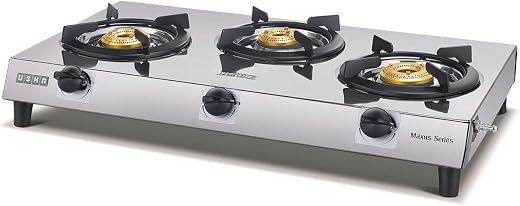
USHA Maxus GS-3001 Cooktop 3 Burner Gas Stove (Stainless Steel, Black, Manual)
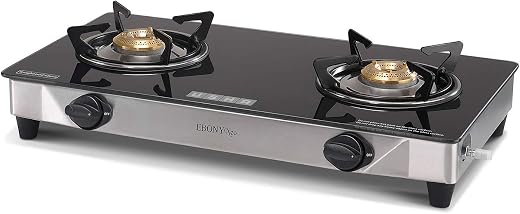
Usha Ebony Neo GS 2003 Stainless Steel Manual Ignition Thick Toughened Glass Top 2 Burner Gas Stove (Black)

USHA Ebony Neo GS 3003 SS Stainless Steel Thick Toughened Glass Top 3 Burner Gas Stove (Black), Manual Ignition

USHA Ebony Neo Slim 2 burner (EBNSL2RGC) with stainless steel body, glass cooktop, large space for parallel cooking, and removable drip tray

USHA Ebony Neo Slim 3 burner (EBNSL3RGC) with stainless steel body, glass cooktop, large space for parallel cooking, and removable drip tray
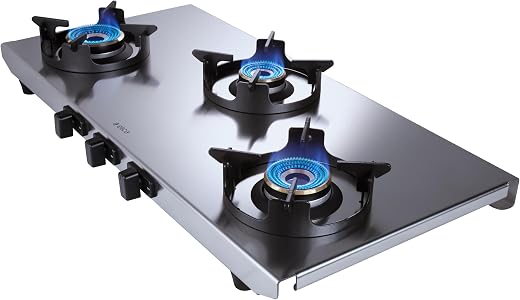
Elica 3 Burner 2mm Stainless Steel Gas Stove | INOX HD 3B 77

Elica 4 Burner 2mm Stainless Steel Gas Stove | INOX HD 4B 69 SG

Wonderchef Galaxy 3 Burner Cooktop | 2 Medium, 1 Small Wide Spaced Burners | Highly Efficient Tri-pin Brass Burners | Precise Flame Control | BIS…
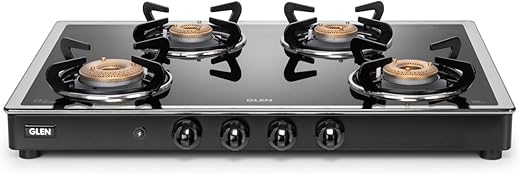
Glen Apex LPG Gas Stove 4 Burner Auto Ignition | Toughened Glass Top | 1 Jumbo, 3 Forged Brass Burners | Revolving Inlet Nozzle | 5 Years Warranty…
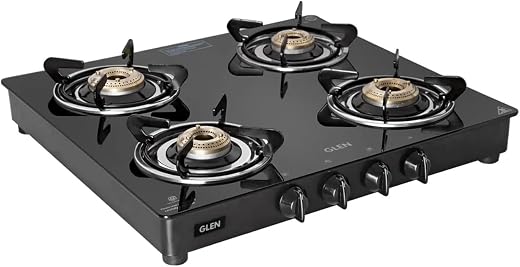
Glen Apex LPG Gas Stove 4 Burner 55 cm | 6mm Thick Toughened Glass Top | Brass Burner Gas Stoves | ISI Certified Black | Drip Trays | Revolving…

Glen Apex 4 Burner LPG Gas Stove 55 CM | 6mm Toughened Glass Top | Brass Burners | Auto Ignition | ISI Certified | Drip Trays | Revolving Inlet…

Glen Apex LPG Gas Stove 3 Burner 70 cm | 6mm Toughened Glass Top | Auto Ignition | Brass Burners | ISI Certified | Black | Revolving Inlet Nozzle |…